
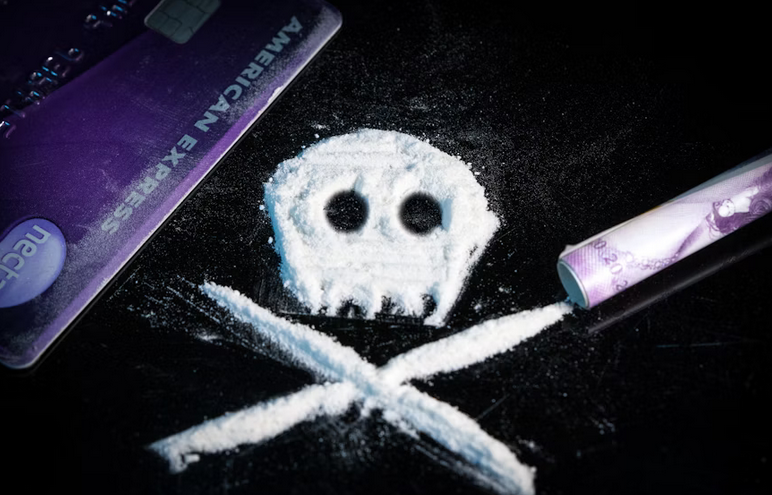
Silent Saboteurs: How Drugs Wreck Your Body From the Inside Out
We often hear about the emotional chaos drugs can cause—broken relationships, financial ruin, and lost opportunities. But what’s less visible, and arguably more devastating, is what these substances do to your body. Long before the damage becomes obvious, drugs act like silent saboteurs, infiltrating organs, altering systems, and leaving behind harm that can be irreversible. If you’ve ever wondered what prolonged drug use is doing beneath the surface, it’s time for a wake-up call.
Brain Function on the Decline
One of the first and most significant areas affected by drugs is the brain. Substances like cocaine, meth, and opioids alter brain chemistry, often damaging the brain’s ability to regulate mood, decision-making, and memory. Over time, this leads to cognitive decline, impaired judgment, and mental health disorders like anxiety and depression. The scary part? Some of these changes can persist even after someone stops using, making recovery a longer and more challenging process.
Liver: The Silent Workhorse Under Siege
Your liver is responsible for filtering out toxins, including the chemicals found in drugs and alcohol. With repeated exposure, the liver becomes overworked and inflamed, leading to conditions like fatty liver, hepatitis, and eventually cirrhosis. These aren’t just health buzzwords—they’re life-altering diagnoses that can severely limit your quality of life and even lead to the need for a transplant. The scary thing is that by the time you feel symptoms, the damage is often already severe.
The Heart That Can’t Keep Up

Stimulants like cocaine and methamphetamine are notorious for wreaking havoc on the cardiovascular system. These drugs elevate heart rate and blood pressure to dangerous levels, increasing the risk of heart attack, stroke, and heart disease. Even substances considered “less intense,” like alcohol and nicotine, gradually wear down the heart. Seeking help through rehab programs can offer medically guided detox and ongoing support, both of which are crucial for reducing long-term damage to the heart and other vital organs.
Lungs: Breathing Becomes a Battle
Inhaled substances—whether smoked or vaped—take a direct route to your lungs, damaging tissue and reducing oxygen capacity. This doesn’t only apply to illicit drugs like crack or meth; even prescription medications can harm the respiratory system when abused. Chronic use can lead to bronchitis, lung infections, and permanent conditions like chronic obstructive pulmonary disease (COPD). And contrary to popular belief, these issues aren’t reserved for old age—young users are being diagnosed with lung diseases traditionally seen in lifelong smokers.
Immune System: Defense Down
Your body relies on a robust immune system to fight off infections and heal from injury. Drug abuse weakens this system, making it harder for your body to fend off common illnesses and infections. Long-term users often report frequent colds, slow wound healing, and even increased risk of autoimmune conditions. When the body is constantly exposed to harmful substances, it eventually stops fighting back with the same strength, leaving you vulnerable to serious complications.
Drug use is never just a “phase” or a lifestyle choice without consequence. The physical toll may not show up overnight, but make no mistake—damage is happening, even when you can’t feel it. These silent saboteurs attack vital organs, systems, and defenses, leaving a trail of destruction that gets harder to reverse the longer it goes untreated. Recognizing the internal damage is the first step toward healing. Whether it’s for yourself or someone you care about, taking action now could be the difference between long-term illness and long-term recovery.