
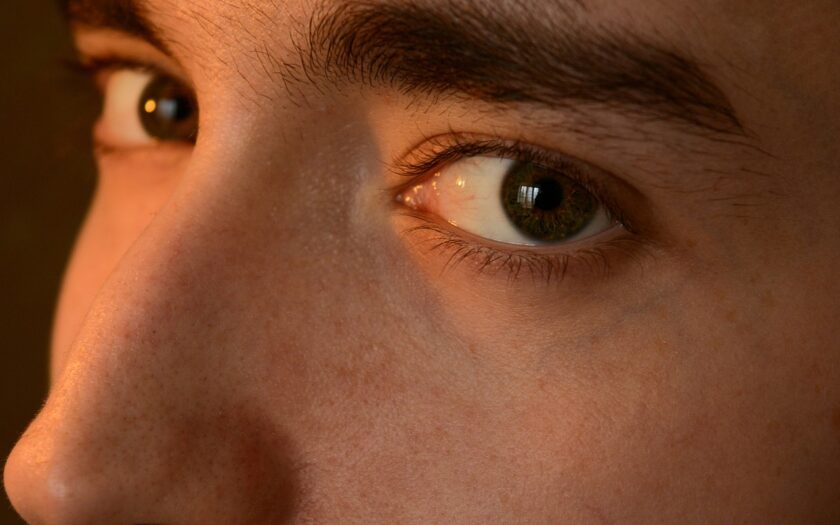
The Ultimate Guide to Understanding the Various Types of Dark Eye Circles
Dark circles, also known as periorbital hyperpigmentation, are a common concern for many people. While lack of sleep is often blamed for them, there are four different types of dark circles, each with its causes and treatments. In this ultimate guide, we’ll explore the common types and some simple Dark eye circles removal techniques to help address them.
Pigmentation-Related Dark Circles
 Pigmentation-related dark circles are caused by excess melanin production in the skin beneath the eyes. This type of dark circle is most commonly seen in individuals with darker skin tones. The excess melanin can be caused by sun damage, hormonal changes, or genetics. To reduce pigmentation-related dark circles, you can use products that contain ingredients like vitamin C, kojic acid, or niacinamide. These ingredients can help to brighten and even out skin tone.
Structural Dark Circles
Structural dark circles are caused by the natural shadowing that occurs when light hits the hollow areas under the eyes. This type of dark circle is often genetic and becomes more noticeable as we age. To reduce the appearance of structural dark circles, you can use a concealer or foundation that is one shade lighter than your skin tone. Apply it to the entire undereye area, including the inner corners and along the sides of the nose. You can also apply a highlighter or brightening cream to the highest points of your cheekbones to draw attention away from the shadows.
Vascular Dark Circles
Vascular dark circles are caused by the dilation of blood vessels beneath the eyes. This type of dark circle is often seen in individuals with fair skin tones or allergies. To reduce vascular dark circles, try applying a cold compress to the undereye area, which can help constrict the blood vessels and reduce puffiness. Anti-inflammatory products like caffeine or green tea can also help to reduce swelling and inflammation.
Thin Skin-Related Dark Circles
 Thin skin-related dark circles are caused by the thinning of the skin beneath the eyes, which makes the blood vessels more visible. This type of dark circle is often seen in individuals over the age of 40. To reduce thin skin-related dark circles, use products that contain ingredients like retinol or peptides, which can help increase collagen production and thicken the skin.
In conclusion, understanding the different types of dark circles can help you address them more effectively. Whether your dark circles are caused by pigmentation, structure, vascular issues, or thin skin, there are treatments and products available to help reduce their appearance.